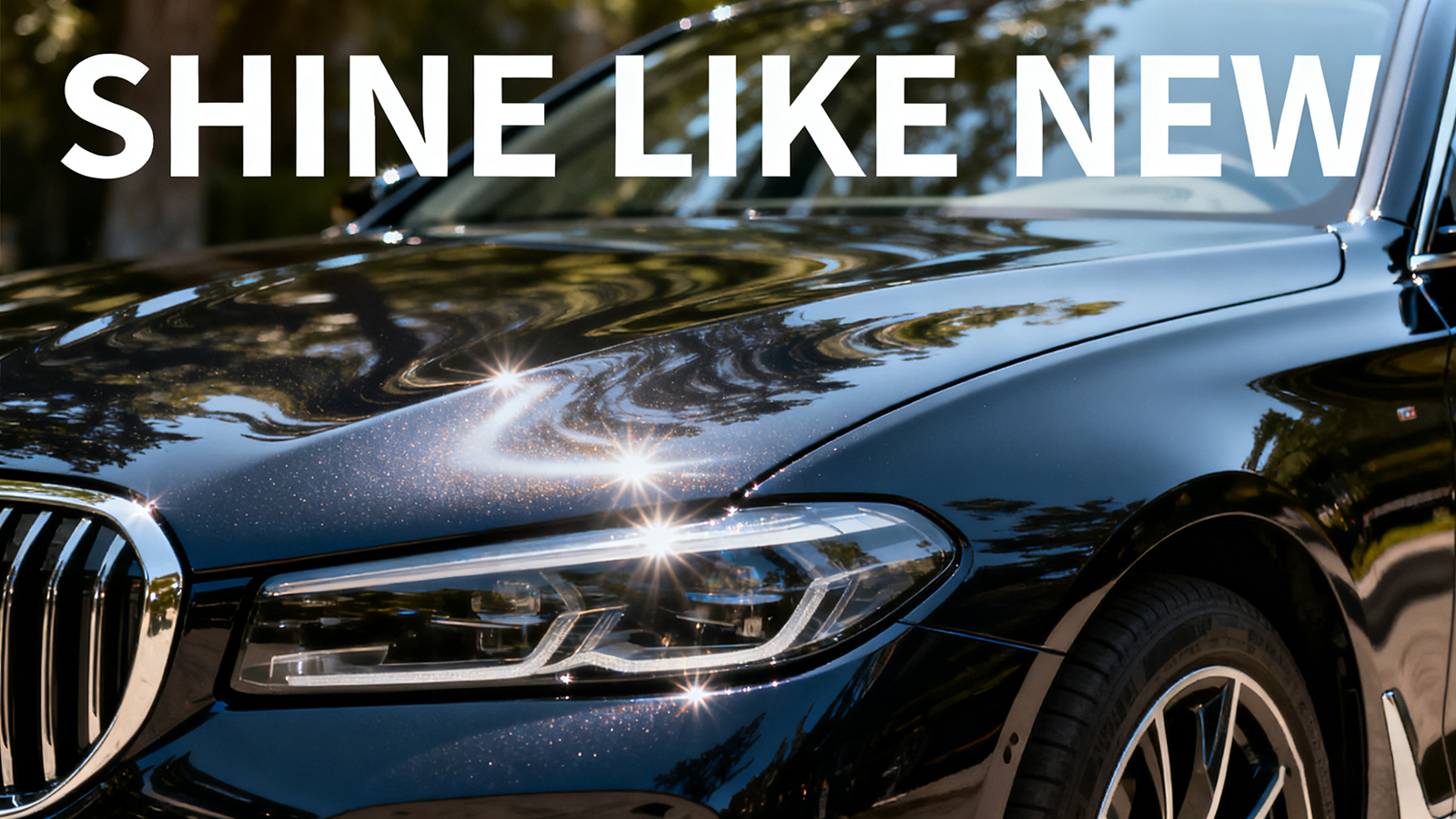
The Big Reveal of Car Paint Protection Films: The Real Contest Between TPU, PVC, and TPH

What is a Car Paint Protection Film?
A car paint protection film is a thin, durable sheet. It sticks to the outer surface of a car’s paint. It works to shield the paint from various damages. These damages include scratches, stone chips, bird droppings, and UV rays. In the field of car maintenance, this film plays a key role. It helps keep the car’s original paint in good condition for longer. This also maintains the car’s resale value over time.
What Are the Main Materials of Car Paint Protection Films?
Currently, three materials dominate the car paint protection film market. They are PVC, TPU, and TPH. PVC was one of the earliest materials used for this purpose. It still holds a small share in the low-end market today. TPU, on the other hand, has become the top choice for high-end users. Its market share has been growing steadily in recent years. TPH sits between PVC and TPU. It acts as a mid-to-low-end transitional option. It caters to users with limited budgets but basic protection needs.
A Closer Look: The Traits and Performance of PVC Material
(I) Basic Traits
PVC stands for polyvinyl chloride. It has a relatively high hardness compared to other options. Its texture is stiff, which makes it less flexible. It is also easy to process into thin sheets during production. These traits make it a common choice for low-cost protection films.
(II) Performance
When it comes to impact resistance, PVC does not perform well. It is prone to cracking when hit by small stones. Its stretchability is also poor. It cannot adapt to slight deformations of the car body. In terms of weather resistance, PVC has major flaws. It turns yellow quickly when exposed to sunlight for a long time. It may even crack after 1-2 years of use. Worse still, it releases toxic gases under long-term high temperatures. This can harm both the car’s interior and the environment.
(III) Suitable Scenarios and Limitations
PVC’s biggest advantage is its low price. This makes it suitable for certain groups. For example, users who do not have high protection requirements. Or those who only plan to use their cars for a short time. However, PVC has obvious limitations. It fails to provide long-term protection for the car’s paint. It also affects the car’s appearance over time due to yellowing. So it is not a good choice for long-term car owners.
In-Depth Analysis: The Advantages and Highlights of TPU Material
(I) Unique Molecular Structure and Traits
TPU is short for thermoplastic polyurethane elastomer. It has a unique molecular structure. This structure combines the rigidity of plastic and the elasticity of rubber. As a result, TPU has high strength. It is also wear-resistant and resistant to chemicals. Additionally, it can withstand UV rays without easily degrading. These traits lay a solid foundation for its excellent performance.
(II) Key Function Display
TPU car films mainly come in two types. One is the invisible film, and the other is the color-changing film. The invisible film is transparent. It protects the paint without changing the car’s original color. The color-changing film, as the name suggests, can alter the car’s appearance. Both types share great key functions. They have scratch self-healing abilities. Small scratches on the surface can recover on their own under heat. They also resist yellowing effectively. They can keep the car’s paint bright for 5-10 years. Moreover, they enhance the paint’s gloss. This makes the car look more attractive.
(III) Market Position and Application
Thanks to its outstanding performance, TPU has taken the lead in the high-end market. More and more luxury car owners choose TPU films. It is also widely used in other types of vehicles. For example, family cars that are used for a long time. Or commercial vehicles that need to maintain a good appearance. Its application scope is still expanding as technology improves.
Comprehensive Analysis: The Characteristics and Problems of TPH Material
(I) Material Essence and Characteristics
TPH is essentially an improved version of PVC. Manufacturers add plasticizers to PVC to make it softer. This process turns PVC into TPH. Compared to PVC, TPH has better flexibility and ductility. This makes the installation process easier. Like PVC, TPH also has a 亲民 price. This makes it popular among budget-conscious users at first glance.
(II) Performance Pros and Cons Analysis
In terms of scratch resistance, TPH is better than PVC. But it still lags far behind TPU. It cannot resist strong corrosion from substances like acid rain. It can enhance the paint’s brightness, but the effect is not long-lasting. It also has poor UV resistance. It may start to yellow after 2-3 years of use. Other problems include brittle cracking over time. The adhesive layer may fall off and leave residues on the paint. Its stretch rate is low, so it is easy to tear during installation. Its warranty period is usually only 1-2 years. Most importantly, it has almost no self-healing ability for scratches.
(III) Market Position and Selection Suggestions
TPH is positioned as a mid-to-low-end transitional product in the market. It is a choice for users with very limited budgets. If you only need temporary protection for a short time, TPH can be considered. But if you want long-term protection and good use effects, you need to be cautious. Choosing TPH may lead to frequent replacements later. This could end up costing you more money in the long run.
Comparison and Choice: How to Pick the Right Car Paint Protection Film
(I) Performance Comparison
Let’s compare TPU, PVC, and TPH in key performance indicators. For impact resistance, TPU is the best. It can absorb most impacts. PVC is the worst, as it cracks easily. TPH is in the middle but still not ideal. In terms of scratch resistance, TPU again takes the lead with self-healing. PVC and TPH cannot match this. For corrosion resistance, TPU resists most chemicals. PVC and TPH are easily damaged by corrosive substances. Weather resistance: TPU lasts 5-10 years. TPH lasts 2-3 years. PVC only lasts 1-2 years. Self-healing ability: Only TPU has this function. PVC and TPH do not.
(II) Price Comparison
The price ranges of the three materials differ greatly. PVC films are the cheapest. Their price per square meter is usually below 50.TPHfilmsareslightlymoreexpensive.Theyrangefrom 50 to 100persquaremeter.TPUfilmsarethemostexpensive.Theirpricecangofrom 100 to over $300 per square meter. The price differences come from multiple factors. Raw material costs are a big one—TPU raw materials are much more expensive. Production processes also play a role. TPU production requires more advanced technology, whichadds to the cost.
(III) Selection Suggestions
Your selection should depend on your specific needs and situation. If you have a luxury car or plan to use your car for a long time, choose TPU. It will provide the best protection and value for money. If you have a low budget and only use your car temporarily, PVC can be an option. But keep in mind its short lifespan. If you are between budgets and need basic long-term protection, think twice about TPH. It may not be worth the trouble of frequent replacements. Also, consider your local climate. If you live in an area with strong sunlight or frequent acid rain, TPU is the safest choice.
Conclusion: Find the Best Protection Plan for Your Car
Car paint protection films are essential for maintaining your car’s condition. Each material—TPU, PVC, and TPH—has its own traits and suitable scenarios. TPU excels in performance but comes with a higher price. PVC is cheap but has poor durability. TPH is a transitional option with mixed pros and cons. As a car owner, you need to evaluate your own needs carefully. Consider your budget, car type, and usage time. By doing so, you can find the most suitable protection film for your car. This will ensure your car stays in great shape for years to come.
How Do Luxury Car Owners Choose Paint Protection Film? Beyond Protection, These Points Boost Body Texture