

How Do Luxury Car Owners Choose Paint Protection Film? Beyond Protection, These Points Boost Body Texture
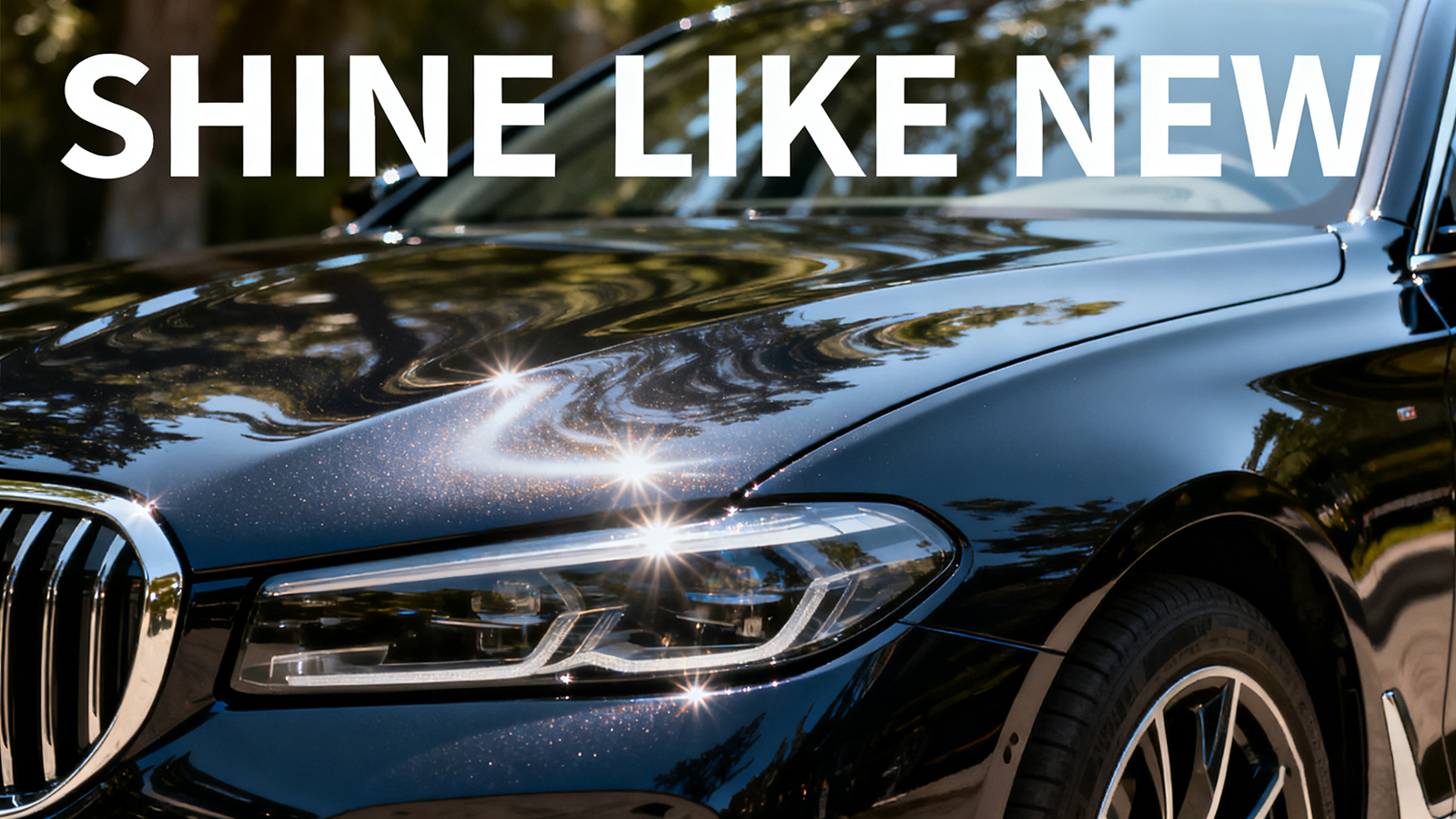
For luxury car owners, the body paint is more than just the "face" of the vehicle. It’s a direct reflection of the car’s value and the owner’s taste. Paint protection film (often called "car wrap") is a core product for safeguarding the body paint. It has long gone beyond the basic need of "simple scratch resistance." Now it’s a key choice that balances protection and texture enhancement. However, with a wide range of products on the market, how to accurately select the right paint protection film for luxury cars? Beyond basic protection, what aspects can further optimize the body texture? This article provides a comprehensive guide for luxury car owners, covering selection logic and texture enhancement dimensions.
I. Choosing Paint Protection Film for Luxury Cars: Clarify Core Needs First, Then Lock Key Indicators
Luxury car paint generally uses multi-layer spraying processes (such as metallic paint, pearlescent paint, matte paint). Repairing this paint is costly and difficult. So selecting paint protection film must focus on three core needs: compatibility, durability, and protection. Pay close attention to these five key indicators:
(I) Base Material: Determines the Film’s Basic Durability
The base material is the "backbone" of the paint protection film. It directly affects the product’s stretch resistance, yellowing resistance, and service life. Currently, mainstream base materials fall into two categories:
- TPH base material: A commonly used early material, mainly composed of PVC. It has low cost but poor yellowing resistance (obvious yellowing usually occurs in 1-2 years). It also lacks stretch resistance (prone to cracking) and the adhesive layer tends to leave residues. Luxury cars should avoid TPH base material. It can’t protect high-priced paint for the long term. Worse, yellowing will ruin the car’s appearance.
- TPU base material: The mainstream choice for high-end paint protection film today. It boasts excellent physical properties. It has high tensile strength (can resist slight collision scratches) and strong weather resistance (not easy to yellow for 3-5 years under long-term UV exposure, high temperatures, and rain). Most TPU base materials also have a "self-healing function." Minor scratches (such as those from branches or car washes) can repair themselves under sunlight or warm water. It perfectly meets luxury car owners’ demand for "maintaining long-term paint integrity."
(II) Coating: Enhances Protection Performance and Texture
The coating is the "first barrier" between the paint protection film and the outside world. It also directly affects the car’s gloss and touch. Luxury car owners should focus on two types of coatings:
- Anti-fouling coating: Luxury cars often come into contact with corrosive substances like oil, bird droppings, and tree sap in daily use. High-quality anti-fouling coatings (such as fluorine-containing coatings) form a "water and oil repellent" surface. Contaminants don’t stick easily. They can be cleaned with rainwater, preventing corrosive substances from seeping into the paint and causing permanent damage. Meanwhile, anti-fouling coatings reduce the need for frequent car washes, minimizing friction from sand during cleaning.
- Brightening coating: Some high-end TPU protection films add an extra brightening coating. By optimizing light reflection angles, it enhances the paint’s gloss and transparency. Especially for luxury cars with metallic or pearlescent paint, the brightening coating makes metal particles and pearlescent effects more prominent. Visually, it looks more "exquisite and thick."
(III) Adhesive Layer: Avoid Secondary Damage and Ensure Adhesion
The adhesive layer is the "link" that bonds the protection film to the paint. Its quality directly determines whether removing the film will damage the paint:
- Low-quality adhesive layer: Mostly solvent-based pressure-sensitive adhesive. Its adhesion is unstable. After long-term use, it’s prone to "peeling" (film edges lifting) or "residue" (adhesive marks left on the paint after removal). Cleaning residue may scratch the paint. In some cases, polishing is needed, which damages the original paint thickness.
- High-quality adhesive layer: Represented by acrylic-based adhesives, it has "low initial adhesion and high holding power." It’s easy to adjust the position during application to avoid air bubbles. Adhesion remains stable over time. No residue is left when removing the film, causing zero damage to the paint. It’s especially suitable for luxury cars that require "long-term protection and future replacement."
(IV) Thickness: Balance Protection and Adhesion
Paint protection film thickness is usually measured in "mils" (1 mil ≈ 0.025mm). Thicker isn’t always better. Choose based on the luxury car’s body curves and protection needs:
- Too thin (≤6 mils): Weak scratch resistance. It can only resist minor scratches (such as dust friction). It’s easy to break when facing gravel splashes or slight collisions. It can’t meet luxury cars’ demand for "in-depth protection."
- Too thick (≥12 mils): While it has strong impact resistance, the material is stiff. It’s hard to fit complex body curves (such as roof arcs and door edges). It’s prone to lifting and air bubbles, affecting appearance integrity. It also adds slight weight to the car, which goes against some luxury cars’ pursuit of "lightweight."
- Recommended thickness (7-10 mils): Films in this range can resist daily scratches and gravel splashes. They also have good flexibility, fitting perfectly with luxury cars’ complex body lines. They balance protection and aesthetics.
(V) Installation: Professionalism Determines Final Effect, Avoid "Ruining the Film Due to Poor Workmanship"
Luxury cars have complex paint curves and many details (such as chrome trim and door handle grooves). Installing paint protection film is much more difficult than for ordinary cars. The professionalism of the installation directly affects the film’s adhesion and service life:
- Installation environment: Must be carried out in a "dust-free and constant temperature workshop." Dust can cause air bubbles between the film and the paint. Temperature fluctuations affect adhesive stability. Installing outdoors or in non-professional workshops easily leads to bubbles and lifting later. This not only affects appearance but may also allow rainwater to seep in and damage the paint.
- Installation process: Focus on "edge wrapping" and "precision cutting." If the car’s edges (such as hood edges and door bottoms) aren’t wrapped, rainwater and dust can seep in, causing the film to lift. Details (such as door handles and logos) need precise cutting according to the car model. Avoid covering key components (such as sensors and cameras) while ensuring appearance integrity.
- Installation team: Choose a team with "luxury car installation experience." Such teams are familiar with the paint characteristics and body structure of different luxury brands. They can avoid scratching the paint due to improper operation (such as excessive scraper force) or wasting film due to cutting mistakes.
II. Beyond Basic Protection: Three Ways to Boost Luxury Car Body Texture
For luxury car owners, the value of paint protection film goes beyond "scratch and damage prevention." It further amplifies the advantages of the original paint through product characteristics. It enhances body texture from three dimensions: vision, touch, and value retention.
(I) Visual Texture: Make the Paint More Transparent and Thick, Restore the Original Design Beauty
Luxury car paint design inherently pursues "light and shadow effects." High-quality paint protection film can highlight this beauty by optimizing light reflection:
- Enhance gloss: The light transmittance of some high-end TPU protection films can reach over 90%. Combined with a brightening coating, it reduces light scattering from minor scratches (tiny defects that may exist when the car leaves the factory). This makes the paint show a more uniform and full gloss. For example, after applying the film, black luxury cars will have a "mirror-like" smooth paint finish. It avoids the "matte look" of uncoated cars. White luxury cars can reduce yellowing tendencies, maintaining a "milky white and transparent" visual effect.
- Highlight paint characteristics: For special paints like metallic, pearlescent, and matte paint, high-quality protection films can "precisely adapt." Metallic particles and pearlescent effects won’t be blocked by the film. Instead, the film’s transparency makes them more three-dimensional. For matte paint, choose a "matte-specific protection film." This type of film maintains the "delicate matte texture" of the paint. It also avoids the problem of matte paint being easy to get dirty and hard to clean, keeping the matte effect longer.
(II) Tactile Texture: Make the Body Surface More Smooth and Delicate, Improve Touch Experience
Beyond vision, touch is also an important part of body texture. High-quality paint protection film can optimize the body’s surface touch:
- Reduce "roughness": The original car paint is smooth, but long-term use can cause tiny "rough spots" due to dust and acid rain erosion. There will be obvious friction when touching. The surface of the paint protection film undergoes special treatment, feeling delicate and smooth. Fingers slide over the body without resistance. Especially when cleaning the car, the touch is more comfortable. It also reduces friction from cleaning tools on the paint.
- Resist "minor damage": In daily use, the car will inevitably come into contact with sand, fallen leaves, and slight friction (such as slight contact with adjacent cars in parking lots). High-quality protection films can isolate these "minor threats." They maintain the "complete smoothness" of the body surface. Even if there are minor scratches on the film, they can be restored to flatness through the self-healing function. This avoids permanent marks on the paint, keeping the car’s "new car touch" for a long time.
(III) Value Retention Texture: Extend Paint Freshness, Improve Vehicle Resale Value
The retention rate of luxury cars is closely related to the paint condition. High-quality paint protection film can maintain the paint’s "original factory state" through long-term protection. It indirectly improves the vehicle’s resale value:
- Avoid "paint aging": External factors such as UV rays, acid rain, bird droppings, and tree sap can cause the paint to oxidize, fade, and develop spots over time. This seriously affects the vehicle’s appearance and value. Paint protection film forms a "physical barrier," isolating these harmful substances. It maintains the paint’s "original color and gloss" for a long time, avoiding "depreciation" caused by paint aging.
- Reduce "repair traces": Without a film, scratches or damage require repair through polishing or repainting. Polishing wears down the paint thickness. Multiple polishes will make the paint lose its original gloss and protection ability. Repainting is difficult to match the original factory paint’s color and texture. It’s easy to have "color differences" and "joint marks," which seriously affect the vehicle’s appearance and retention rate. For cars with protection films, even if damaged, only the damaged part of the film needs to be replaced. The paint remains in its original factory state. It avoids the impact of repair traces on the vehicle’s value.
III. Summary: For Luxury Cars, Protection Is the Foundation, Texture Is the Upgrade
For luxury car owners, choosing paint protection film isn’t just "selecting a scratch-proof tool." It’s "choosing a long-term appearance protection and texture enhancement plan for the vehicle." When selecting, prioritize the core combination of "TPU base material + high-quality coating + appropriate thickness + professional installation" to ensure basic protection capabilities. At the same time, pay attention to the film’s role in enhancing "visual gloss, tactile smoothness, and retention rate." Let the protection film not only "guard" the luxury car’s paint but also "amplify" its texture advantages. Maintain the vehicle’s "new car state" and "high-end temperament" for a long time.
The Big Reveal of Car Paint Protection Films: The Real Contest Between TPU, PVC, and TPH
